Do your eyes have all the nutrients and minerals it needs to help prevent Glaucoma, Cataracts, Macular degeneration and other sight afflictions? Read on to find out !!
Apart from our heart which ensures blood circulation throughout every cell and organ in the body, our eyes remain the second-best organ to never joke with as you can enjoy the view of nature, human, and various things rather than just imagine it but unfortunately, we don't give much thought to our vision until something goes wrong.
Subbotina/123RF
Most of the times, we don't even know that something is broken until the warning signals such as blurry vision, pains, headaches, redness, puffiness, watery eyes, and other related eyes symptoms start to show off because we failed to take precautionary measures to prevent or keep these sight agonies at bay by watching what we eat.
Interestingly, We don't often connect the dots between our vision and what we eat, because we only believe it's affected by the blue lights springing from screens of our mobiles, computers, and televisions. But, Taking mindful steps around our diet is one powerful and simple effort in protecting our precious sight and strengthening those tissues around the eyes.
Here are some of the top foods rich in nutrients and antioxidants to promote eye health and keep you from popping those pills.
Seafood:
Twobluedogs/123RF
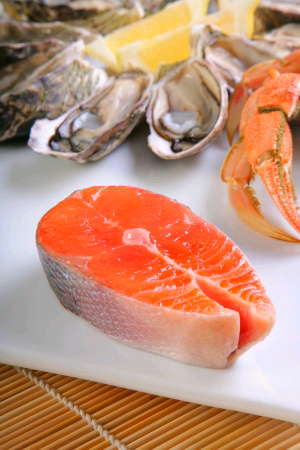
These seafood such as Salmon, Tuna, Sardines, Mackerel, Crabs, Oysters, Shellfish, etc are rich in Omega-3 fatty acids which have long been confirmed for eye health because it helps to protect against dry eyes, macular degeneration, and even cataracts. According to Irisvision.com, Oysters and Shellfish serve as the best natural sources of Zinc, an essential mineral found abundantly in healthy eyes which helps in the production of melanin, a pigment required for eye protection.
Nuts&Seeds:
Olga Popova/123RF
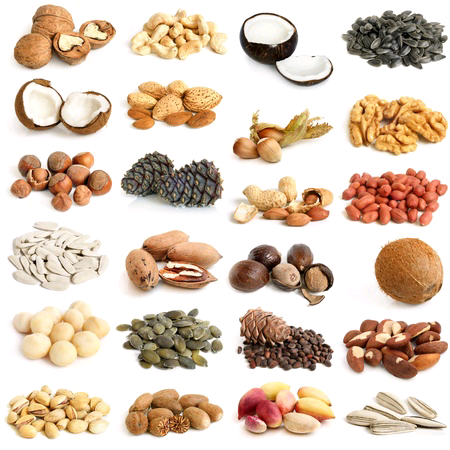
Nuts and seeds such as Pistachios, Almonds, Walnuts, Peanuts, Chia seeds, Flax seeds, Sunflower seeds, Blueberries seeds, Blackcurrant seeds, etc are rich sources of Zinc, Omega-3 fatty acids, and Vitamin E which makes them highly beneficial for your eyes. The Chia seeds are called the "superfood" because it contains more of the Omega-3s than Salmon or Flax seeds, more Calcium than a glass of milk and more antioxidants than Blueberries.
Leafy greens veggies:
Kenishirote/123RF
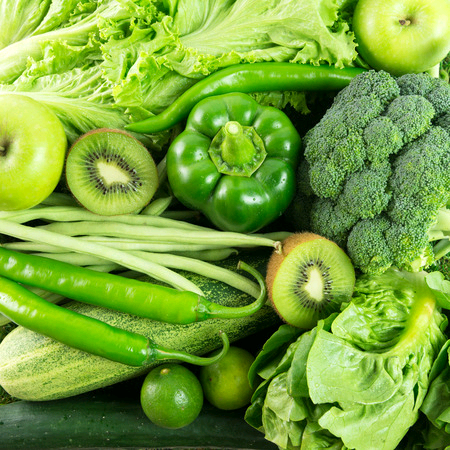
Leafy greens are good sources of Lutein and Zeaxanthin, an important plant pigment that can help prevent the development of Macular degeneration and Cataract. Lutein and Zeaxanthin are related to Vitamin A, D, and Beta Carotene which may help protect eye tissues from sunlight damage and reduce the risk of eye changes related to aging. Examples include Spinach, Turnip greens, Broccoli, Peas, Kale, and Collard greens. Your body needs fat to absorb lutein and zeaxanthin, so eat your leafy greens with a drizzle of olive oil or a few slices of Avocado which is also excellent antioxidant food.
Citrus fruits:
Markus Mainka/123RF
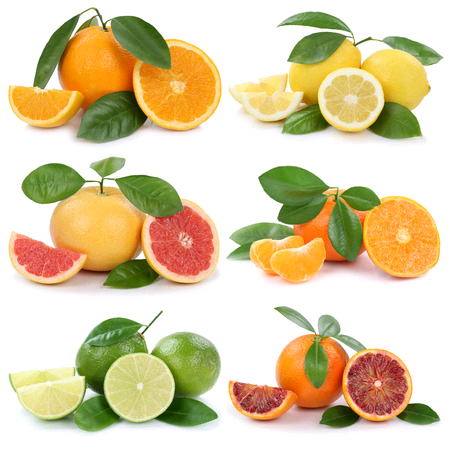
Citrus fruits such as Oranges, Grapefruits, Lemon, and Berries are very high in vitamin C which may reduce the risk of Cataracts and Macular degeneration. Some suggest calling Vitamin C "Vitamin See" because much like other antioxidants, it is good at preventing free radical damage and builds collagen which provides a structure for your cornea.
Eggs:
Ivan Dzyuba/123RF
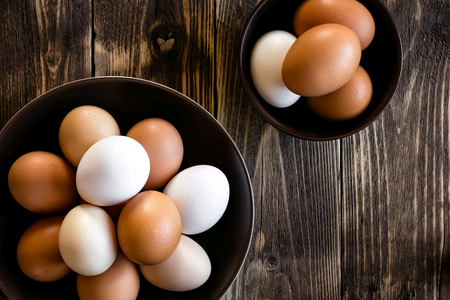
The two most significant antioxidants for eye protection; Lutein and Zeaxanthin, are found generously in egg yolks, and just like in leafy green vegetables, adequate vitamin D is also gotten from egg yolks which are believed to be helpful against macular degeneration, night blindness, dry eyes and promotes eye health and functions. Lutein plays an outstanding role in the filtration of blue lights from our screens.
Beef:
Taniact/123Rf
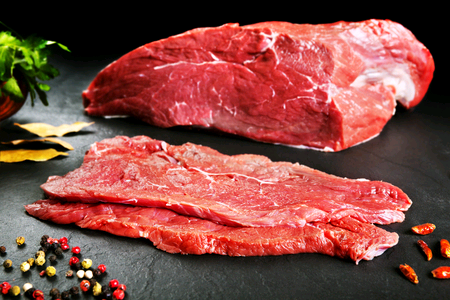
Beef, if moderately added to your diet can boost your eye health because beef contains Zinc, which helps your body absorb the vitamins and may play a major role in reducing risks of advanced age-related macular degeneration. Turkey is also considered one of the best natural sources of cataract prevention because it contains abundant Zinc and B vitamin, Niacin.
Whole grains:
Beats1/123RF
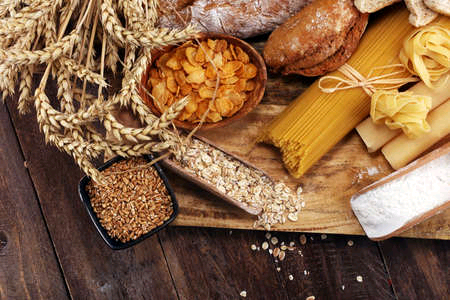
A diet containing foods with a low glycemic index (GI) can help reduce your risk of age-related macular degeneration. So, swap refined carbohydrates for Quinoa, Whole-wheat bread, Brown rice, Whole oats, and Pasta. The vitamin E, Zinc, and Niacin found in whole grains also help promotes overall eye health.
Sweet Potato:
Hongro74/123RF
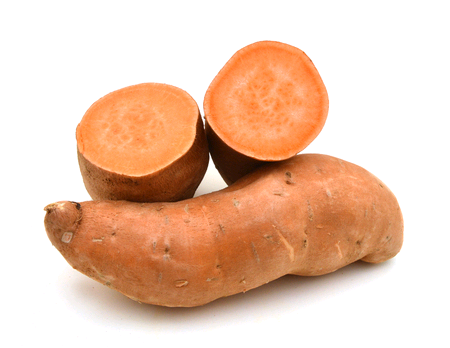
Sweet potatoes and other deep orange foods such as carrots, butternut squash, and papaya are known as the color of health because they are rich in beta-carotene which gives them their orange color. Carrots, which have the highest amount of beta-carotene, an antioxidant carotenoid converted to vitamin A by your body, are quite essential for a healthy vision and the significance of carrots seems more reality than fiction. Vitamin A plays a crucial role in the production of rod and cone cells, essential for low light vision and color vision.
Hot tea:

Svl861/123RF
Drinking hot tea regularly will make you have a 74% lesser chance of developing glaucoma as compared to those who don't according to myenvisioneyecare.com. Although, Some studies are still needed to support the claim that brewed tea is considered a reasonable source of disease-fighting antioxidants.
Legumes:
Dmytro Myrgorod/123RF
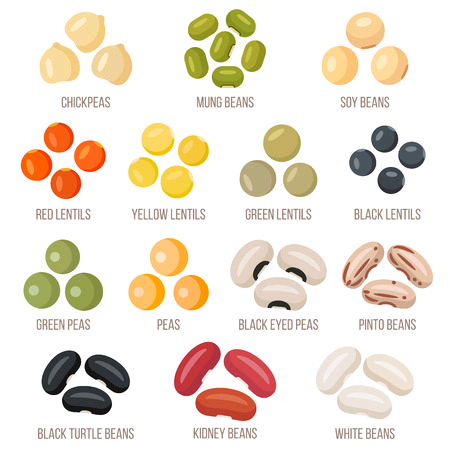
Legumes such as kidney beans, lentils, and black-eyed peas are good sources of Bioflavonoids and Zinc and can help protect the retina and lower the risk of developing macular degeneration and cataracts.
Fish oil:
Angkrit Chamchuen/123RF
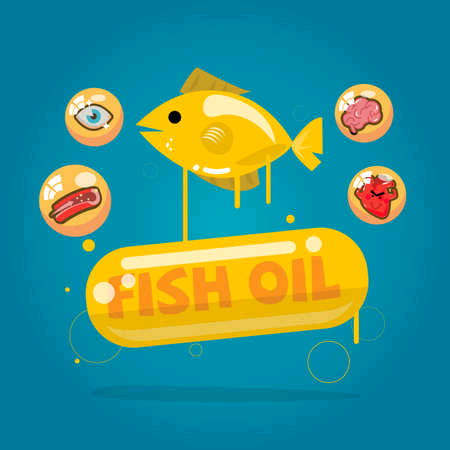
Fish oil, Flaxseed oil, and blackcurrant seed oil are super supplements containing Omega-3 fatty acids and have many health benefits such as controlling dry eye syndrome as well as reducing macular degeneration and cataracts.
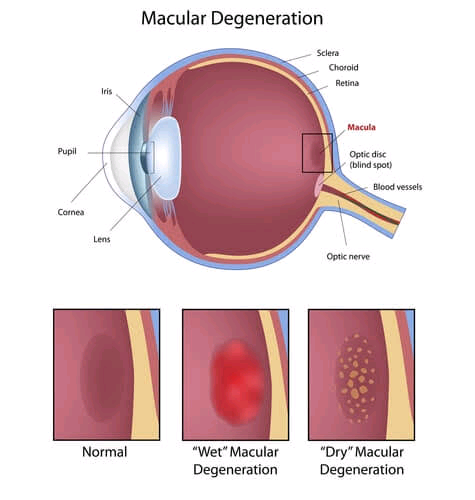
Note: Macular, is that part of the eye that shields the eye from damaging light while storing these antioxidants. Macular degeneration causes loss in the center of the field of vision. There are two types of macular degeneration; dry and wet types.
In dry macular degeneration, the center of the retina deteriorates and leaky blood vessels grow under the retina in wet macular degeneration.
Eye care surgery center
The bottom line
Healthy eating is not just for good skin and hair but the eyes too. Most of the time, we pay little attention to what our eyes need that we end up visiting the opticians who in turn prescribe certain drugs to curb the degenerated eye which would have been prevented if we had taken time to give our eyes the right diet.A healthy pair of eyes, especially at an old age is no less than a blessing, that's why it's imperative to take care of your eyes and vision in every way possible including watching what you eat as food to avoid loss of vision due to macular degeneration.
Thanks for reading. Enjoy your day/night and don't forget to comment as you take good care of your vision.
Comments
Post a Comment