In both the old and new world, germs and other parasitic organisms have been in existence, and almost at every corner we turn to or wherever we went. The downside of these germs is that they are very virulent and fear no border.
Katisa/123rf
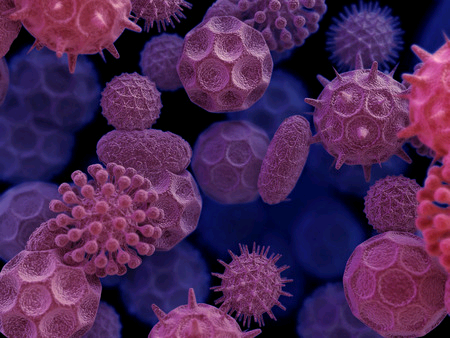
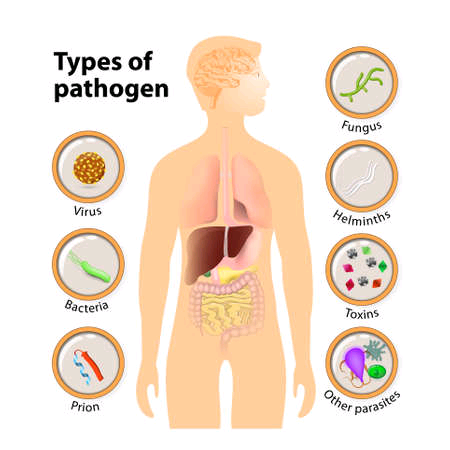
The germs may be Bacteria, Viruses, Yeast, Fungi, or other microorganisms and infections can begin anywhere in the body and may spread throughout the entire system causing fever, pain, anxiety, and other health problems.
Designua/123rf
WHAT IS A FUNGAL INFECTION?
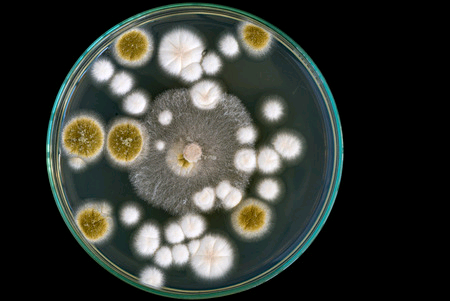
Fungal infection is an infection caused by a fungus, a type of microorganism that invades the tissue causing diseases that are confined to the skin, bones, and other organs in the body. The two most common causes of fungal infection are a fungus called TINEA and YEAST.
Kwanchai chai-udom/123rf
Some very common types of fungal infections caused by tinea include;
- Athletes foot: This occurs on the feet and symptoms include, itching of the feet and flaking or scaling of the skin around the feet.
- Jock itch: This is more private and occurs in the groin area. Symptoms include itching in the groin area and some red scaly rash around the groin area.
- Ringworm: This can occur anywhere in the body but especially on the scalp and is characterized by a raised, red, itchy area on the scalp in the shape of a ring and hair loss in the affected area.
- Digestive tract (Gastroenteritis): Symptoms include diarrhea, nausea, vomiting, and difficulty in swallowing.
- Lungs: Difficulty in breathing
- Mouth (Oral thrush): Symptoms include sore bleeding gums, patches, or lesions in the mouth making it difficult to eat or swallow anything.
- Urinary tract: Painful urination.
- Vagina (Vagina thrush or yeast infection): Symptoms include vaginal irritation, itching, and thick white discharges similar to cottage cheese.
- Esophagus: Same as the digestive tract.
- Being too young or old
- Wearing tight-fitting underwear or pants.
- Douching or use of feminine deodorants.
- Exposure to contaminated surfaces particularly swimming pools, shower facilities, and spas.
Medically, these diseases, infections, and symptoms can be treated by:
- Diagnosing and treating any underlying health issue such as diabetes, HIV/AIDS, etc
- The use of antiseptic mouthwashes twice daily in the case of oral thrush.
- The use of prescribed oral and topical antifungal medications such as Fluconazole, Miconazole, Terbinafine, Clotrimazole, etc.
HOME REMEDIES
Kicking fungi, germs, and other bacterial infections out naturally is the right thing to do as it has got no side effects. The good bacteria living in and on our body combined with the efforts of the immune system help keep these infections under control.
Here are some home remedies involving fruits, seeds, nuts, and vegetables found in our farms, gardens, or gotten from supermarkets that can help curb infections naturally.
Cruciferous veggies: These are great for repopulating the good bacteria in our gastrointestinal tract (GI) to help fight off the bad bacteria. Examples include Kale, Broccoli, Cauliflower, and Brussels.

Thitarees/123rf
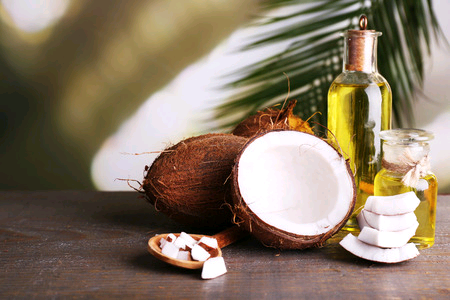
Coconut oil: This is very high in caprylic acid which works to break down the cell walls of yeast according to drlanawellness.com. Coconut oil provides great topical relief when applied on rashes minimally.
Serezniy/123rf
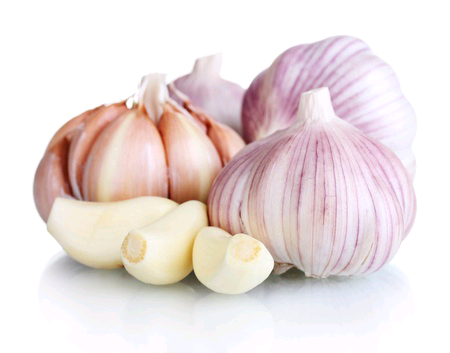
Garlic: Garlic is often used to treat infections. If eaten raw, garlic acts as an incredible antibacterial, antimicrobial, and antifungal agent. It is effective against the killing of some cancerous cells although there are no studies that examine the effects of garlic on ringworm.
Serezniy/123rf
Yogurt: Eat yogurt and probiotics because they fight off microbes that cause infections and it has proven to have an ample amount of good bacteria that help beat back many fungal infections.

Arianahabich/123rf
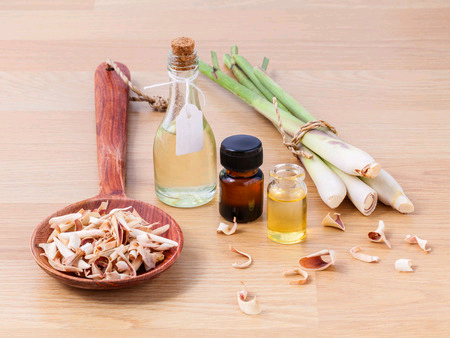
Lemongrass oil: This essential oil has been shown to reduce the activity of several types of fungus. To get the best result, mix it with any carrier oil such as coconut oil and apply it to the affected part twice daily.
Kerdkanno/123rf
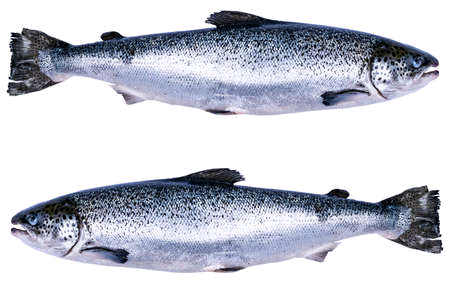
Salmon: Eating salmon or a diet rich in omega-3 fatty acid is a wonderful way to heal the leaky gut, which as we know contributes to some autoimmune conditions.
Bigtunaonline/123rf
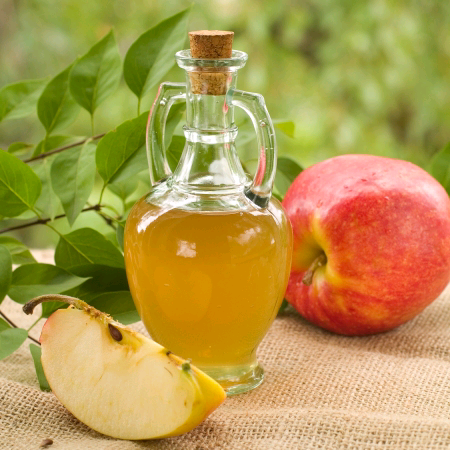
Apple cider vinegar: This is generally used for cleaning and disinfecting, treating nail fungus, lice, warts, and ear infections. Apple cider vinegar has antifungal properties and can help kill pathogens, including bacteria.
Wiktory/123rf
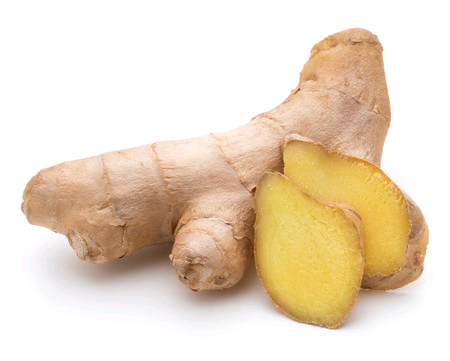
Ginger: Ginger has gingerol, which gives it potent extraordinary anti-inflammatory, and antifungal properties. Adding ginger to our tea and diets will effectively help to prevent and treat fungal infections especially candida.
Natika/123rf
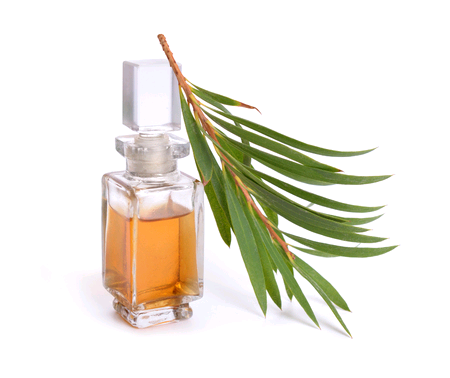
Essential oil: Tea tree oil, oregano oil, coconut oil, lemongrass oil, jojoba oil, etc are all examples of essential oil that has antifungal and anti-inflammatory properties used in warding off fungi infections. Tea tree oil tops the list as one of the most effective home remedies to treat fungal infections because it has antifungal, antibacterial, and anti-inflammatory properties. You can mix it with other carrier oil or use it alone on the affected part.
Splinex/123rf
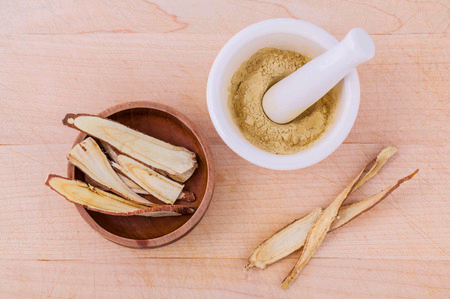
Licorice: This is one of the home remedies that is widely used in traditional Chinese medicine. Licorice has been demonstrated to have antifungal, antimicrobial, antiviral, and anti-inflammatory properties that eradicate ringworm and other fungal infections.
Kerdkanno/123rf
Summary,
Fungi are a group of living organisms that are classified in their kingdom because they are not animals, plants, or bacteria but cause infections. Infection is any disease caused by microorganisms that invade tissues in the body and the infection can begin anywhere in the body causing fever and other health problems.Fungal infections can be treated medically (which can kill or prevent the growth of fungi) by applying ointments, creams, or taking antibiotics as prescribed by your doctor after careful examination or follow DIY home remedies such as the use of tea tree oil, licorice, ginger amongst others to achieve a single goal, eradicating the infection!
I hope you have learned from this article, thanks for reading, and don't forget to like and comment.
Spread the ❤️
Comments
Post a Comment