In my previous articles, we've discussed Basil leaves as herbs and their importance in our daily certainty. Now we are going to discuss Thyme and why you should always have them in your kitchen cabinets or refrigerator shelves.
What is THYME?
Thyme is a robust shrubby herb from the mint family with trailing green-gray leaves and an intense aroma and flavor. Thyme is scientifically known as Thymus Vulgaris, a relative of the Oregano genus Origanum, used for medicinal, culinary, and ornamental purposes.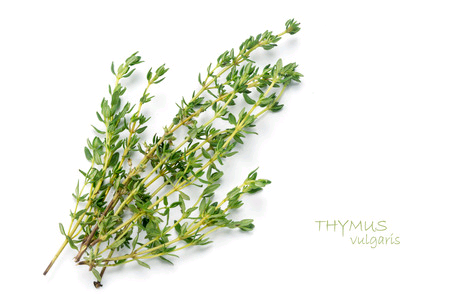
Fermate/123rf
Thyme is derived from the Greek word "Thumus" which means Courage and is called "Thym" in French, "Thymian" in German, "Tomillo" in Spanish, and "Timi" in Indonesia according to Stylecraze.com
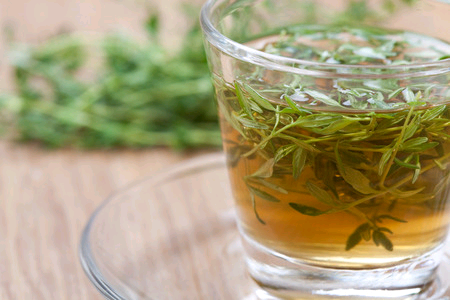
Thanks to its distinctive taste and impressive range of uses, Thyme has over sixty (60) subspecies that have remained a culinary staple in many countries and homes to this day. This herb is native to the Western Mediterranean but has extended to drier, sunnier climates around Western Asia and Southern Europe. Ancient Egyptians used it in their embalming practices while ancient Greek used it as incense. Thyme adds flavor to cooking but can also offer other health benefits when consumed in fresh or dried form, or when it's steeped to make tea.
Manuel plötz/123rf
Health Advantages
This fragrant herb provides more than just flavor to your favorite meals, it contains a variety of minerals and vitamins that promotes good health such as vitamin C for immune support, Potassium for healthy cells, and Manganese for bone development and blood clotting. Thyme essential oil is used as a germ-killer in mouthwashes and liniments, fight off bacteria and fungus in the ear and on the skin, is applied to the scalp to treat baldness, and is used to preserve food.Eating Thyme leaves and drinking thyme tea can provide other health benefits such as:
Acne treatment:
Thyme is fast gaining a reputation for its medicinal qualities in treating acne with great results than OTC acne medications because of its antibacterial properties but studies are still ongoing to tell if this natural herb remedy is an effective acne treatment.Inflammation reduction:
One of the main oils in thyme called Thymol can fight against Cyclooxygenase-2 or Cox-2, and the enzyme responsible for inflammation in the body according to WebMD. Another oil, Carvacrol, has a similar impact on inflammatory cytokines which are signals your body uses to increase inflammation.Inhibits cough:
Thyme essential oil, which is obtained from its leaves, is often used as a natural cough remedy. To get a better result of alleviating cough and other acute bronchitis, blend thyme and ivy leaves and sieve, then drink it.Natural Nutrients:
Thyme has a great aroma and it's rich in vitamin C, A, and B vitamins and other nutrients such as:- Manganese
- Zinc
- Potassium
- Magnesium
- Calcium
- Iron
- Copper and
- Fiber.
Boost immunity:
Getting all the vitamins your body needs every day can be very challenging. Luckily, thyme comes packed with the basic vitamins and minerals needed to boost our immunity as mentioned above.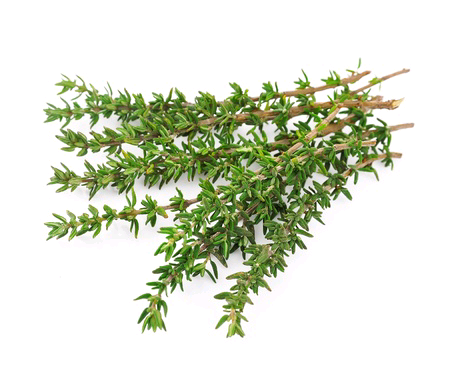
Maria voloshina/123rf
Gastrointestinal health:
Thyme has antimicrobial properties which help reduce germs in food while improving your gut microbes and overall intestinal health. It can help with appetite increase, support healthy liver functions and increase the protective gastric mucus layer in your stomach lining.Fragrance:
Most organic and skincare products found at many retail shops contain thyme in them. Thanks to its antifungal and antiseptic properties which have made it a popular ingredient in natural deodorants as well in potpourri.Disinfectant:
Mold is a common yet potentially dangerous pollutant that can lurk in your home. Once you can identify it, thyme oil may be the answer you need because it holds many fungicidal properties that clear or cause low mold concentration.
Cancer:
Thyme may help prevent cancer according to studies completed by one Portuguese, especially breast and colon cancer. The essential oil, Carvacrol, was found to inhibit the proliferation and migration of cancer cell lines.
Conclusion
Thyme is an herb from the mint family that you probably recognize as your cooking spice but it offers so much more than an afterthought ingredient used for cooking. In food, thyme is used as a flavoring agent, in manufacturing, red thyme oil is used in perfumes, soaps, cosmetics, and toothpaste. It has over 60 subspecies and was profoundly used in historical recipes in ancient Greece, Rome, and Egypt. This fragrant herb gives good smells to your perfumes, organic skincare products, and deodorants. Thyme has all the basic vitamins and minerals your body and immune system need to survive. Fresh and dried thyme leaves are generally safe to eat or drink as a refreshing tea but it's not exchangeable with thyme essential oil because essential oils are highly concentrated and can be toxic in their undiluted form.
I hope your life has been touched. Spread the ❤️ and don't forget to comment.
😍
ReplyDelete